

EU Rapporteur proposes mandatory youth mode to restrict addictive platform design
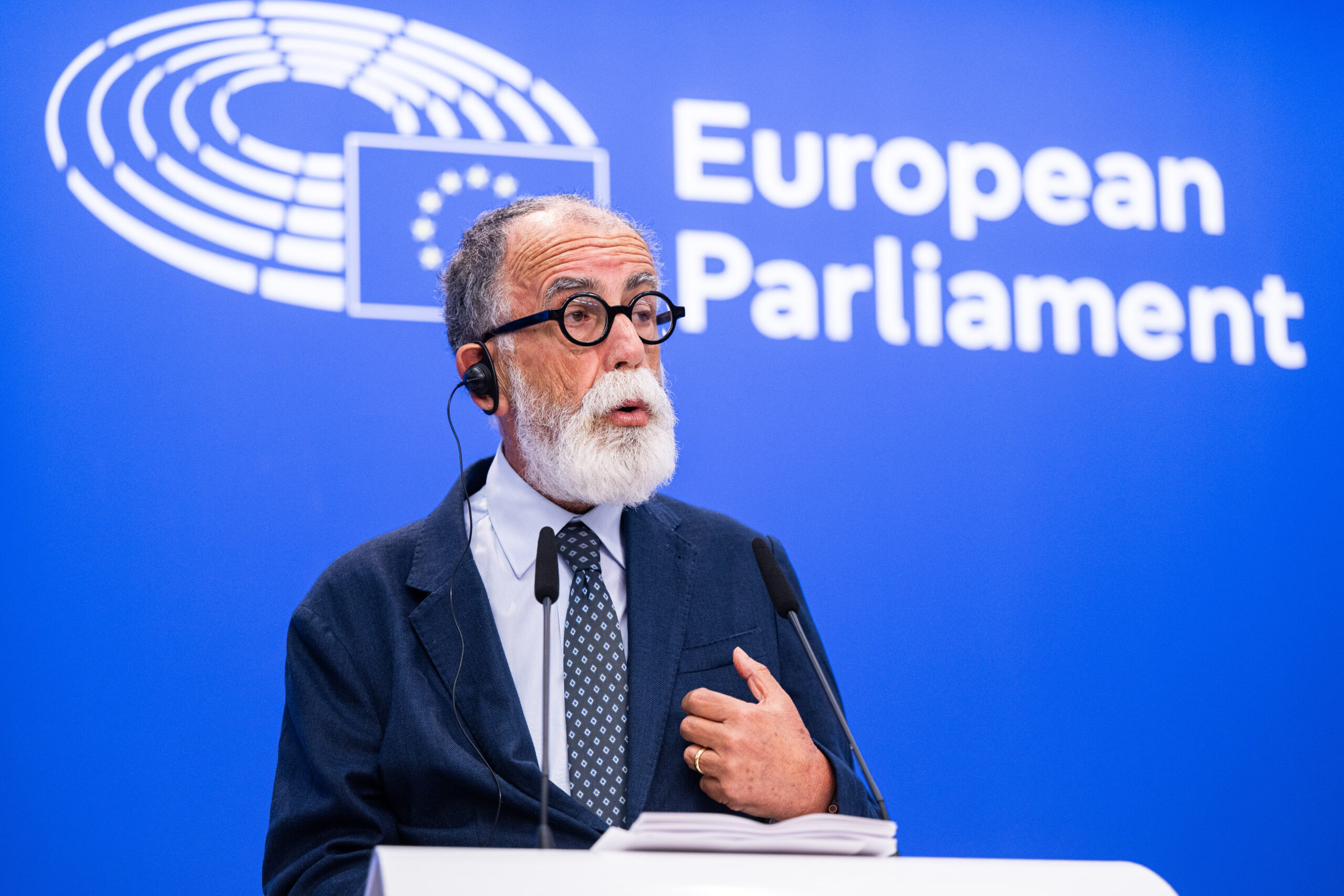
European Parliament rapporteur Sandro Ruotolo has proposed a new EU-wide framework advocating for a mandatory 'youth mode' on social media to curb addictive design features and improve child protection. The report encourages stricter oversight of algorithmic recommendation systems and signals potential future regulation of professional influencers under the Audiovisual Media Services Directive.
Key Takeaways
- Proposed 'youth mode' would mandate maximum privacy by default and no targeted advertising for minors.
- Framework suggests restricting independent social media access for children under age 13 based on expert advice.
- New oversight target includes 'AI companions' and chatbots that simulate emotional intimacy to collect sensitive user data.
- Proposes expanding the Audiovisual Media Services Directive (AVMSD) to regulate professional influencers as audiovisual media providers.
- Requirement for platforms to provide non-profiling recommender system options to enhance user agency.
Why It Matters
This move signals a shift from platform-specific moderation to overarching architectural regulation. By targeting the 'design' rather than just the 'content,' the EU is challenging the fundamental engagement-based business models of TikTok and Meta. For streaming services, this could force a redesign of discovery algorithms and autoplay features if they fall under the proposed 'social media+' classification. The immediate implication is a move toward more stringent, privacy-centric default settings that could disrupt targeted ad revenues. Stakeholders should monitor the European Commission's legislative package in September, which will likely formalize these age-gating and design-standard requirements across the bloc.
Additional Context
The European Commission is intensifying its focus on platform architecture following preliminary findings in February 2026 that TikTok breached the Digital Services Act (DSA). Per the Commission, these findings focused on addictive features like infinite scroll and highly personalized recommender systems that encourage compulsive behavior. Similar scrutinies are underway for Meta and Shein, marking a transition in EU enforcement from content policing to auditing the 'harmful architecture' of digital services. Relatedly, the Commission presented a special expert panel report in July 2026 that recommended an EU-wide social media age floor. European Commission President Ursula von der Leyen confirmed that a formal legislative proposal based on these recommendations is expected in Q4 2026. This package aims to harmonize a fragmented regulatory landscape where countries like Denmark and Italy have previously pursued divergent age-restriction models. Simultaneously, a revision of the Audiovisual Media Services Directive (AVMSD) is planned for late 2026 to address regulatory gaps regarding professional influencers. Per industry reports from May 2026, the EU is assessing whether creators with significant reach should be classified as on-demand providers, subjecting them to child protection and transparency standards similar to traditional broadcasters. This coincides with the upcoming Digital Fairness Act (DFA), which is expected to target 'dark patterns' and unfair personalization across the broader digital economy.
Read full article at euperspectives.eu
Get this in your inbox → Subscribe
Enjoy our coverage?
Add StreamingMeme as a preferred source on Google to see more of our streaming news at the top of your Search results.
Add as preferred source