

Arqiva proposes 40% cost cut to preserve Freeview through 2045
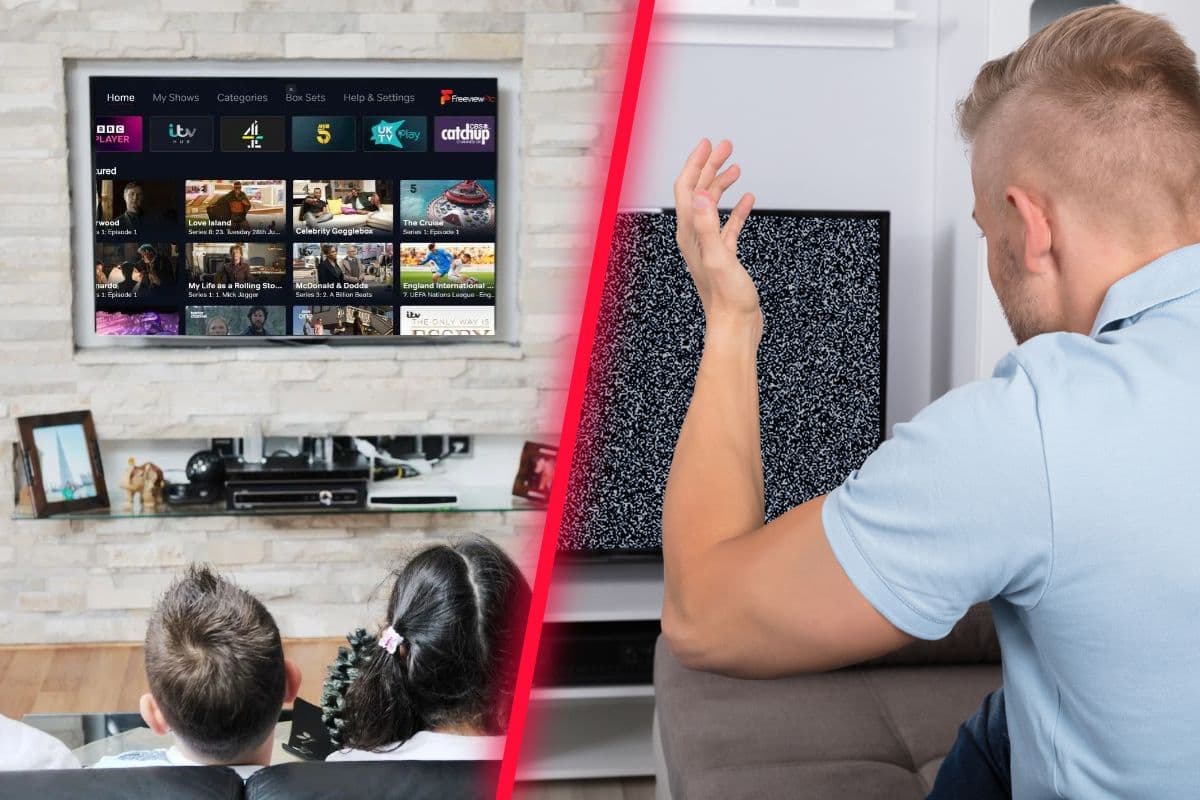
Arqiva, the UK's transmission network operator, has submitted a plan to modernize and maintain the Freeview broadcast TV service until the mid-2040s, proposing a 40% cost reduction by moving from six national multiplexes to three and upgrading to DVB-T2 technology. This proposal, part of the BBC Royal Charter Review, aims to counter government plans to phase out broadcast TV by demonstrating a cost-effective alternative that ensures continued universal access alongside streaming. Arqiva emphasizes the reliance of many households on aerial TV, the potential costs of forcing a switch to broadband for viewers, and the resilience of broadcast infrastructure during emergencies.
Key Takeaways
- Arqiva proposes reducing Freeview's national multiplexes from six to three to lower operational overhead by 40%.
- The plan involves a technology shift to DVB-T2, a standard already adopted by major European markets like France and Italy.
- Proposed savings could limit the BBC’s terrestrial distribution costs to 1–2% of its total license fee income.
- Arqiva’s data shows 4.9 million UK households still lack a connected TV, cautioning against a rapid broadband-only transition.
Why It Matters
The proposal directly challenges the UK government's and the BBC's move toward an IP-only distribution model by the mid-2030s. By demonstrating that terrestrial broadcasting can be cost-optimized rather than discarded, Arqiva provides a political and technical roadmap for a hybrid delivery ecosystem that protects legacy platforms. For major broadcasters, this offers a hedge against the high variable costs of CDN delivery and the potential 'subscription by the back door' that broadband mandates impose on viewers. Watch for the Department for Culture, Media and Sport (DCMS) to address these specific efficiency claims in its upcoming Green Paper on the future of TV distribution.
Additional Context
The Arqiva proposal arrives as the UK government initiates its once-a-decade Royal Charter Review for the BBC, with the current charter set to expire on December 31, 2027. According to a DCMS Green Paper published in December 2025, a primary objective of the review is identifying sustainable funding models amidst a 30% real-terms decline in license fee income over the last decade. While the BBC has expressed a preference for moving toward online delivery to reduce the burden of maintaining dual distribution systems, Arqiva’s plan targets 2034 as a pivotal implementation date for its DVB-T2 upgrade.
Simultaneously, the broadband-based successor platform Freely is showing rapid initial adoption. Per Everyone TV reporting in January 2026, Freely reached 1 million weekly active users, making it the UK's fastest-growing TV platform for 2025. However, 3 Reasons analysis presented in June 2026 suggests that while Freely could reach 10.5 million homes by 2034, approximately 220,000 households will still lack broadband access entirely by that date. This digital gap has fueled opposition from groups like Silver Voices, whose petition against a DTT shutdown exceeded 147,000 signatures in early 2026.
Regulatory pressure is also mounting from the mobile sector. Frequencies currently utilized by DTT are under review for potential sharing with mobile networks starting in 2031. Arqiva argues its multiplex consolidation would free up the 600 MHz band for mobile auction while maintaining the 98.5% universal coverage required by law. Ofcom's May 2024 report on TV distribution previously outlined three similar paths: modernization, core service reduction, or full switch-off. Arqiva's specific costed blueprint moves toward the first option, placing the burden of proof on the government to prove that an IP-only transition is more efficient.
Read full article at cordbusters.co.uk
Enjoy our coverage?
Add StreamingMeme as a preferred source on Google to see more of our streaming news at the top of your Search results.
Add as preferred source