
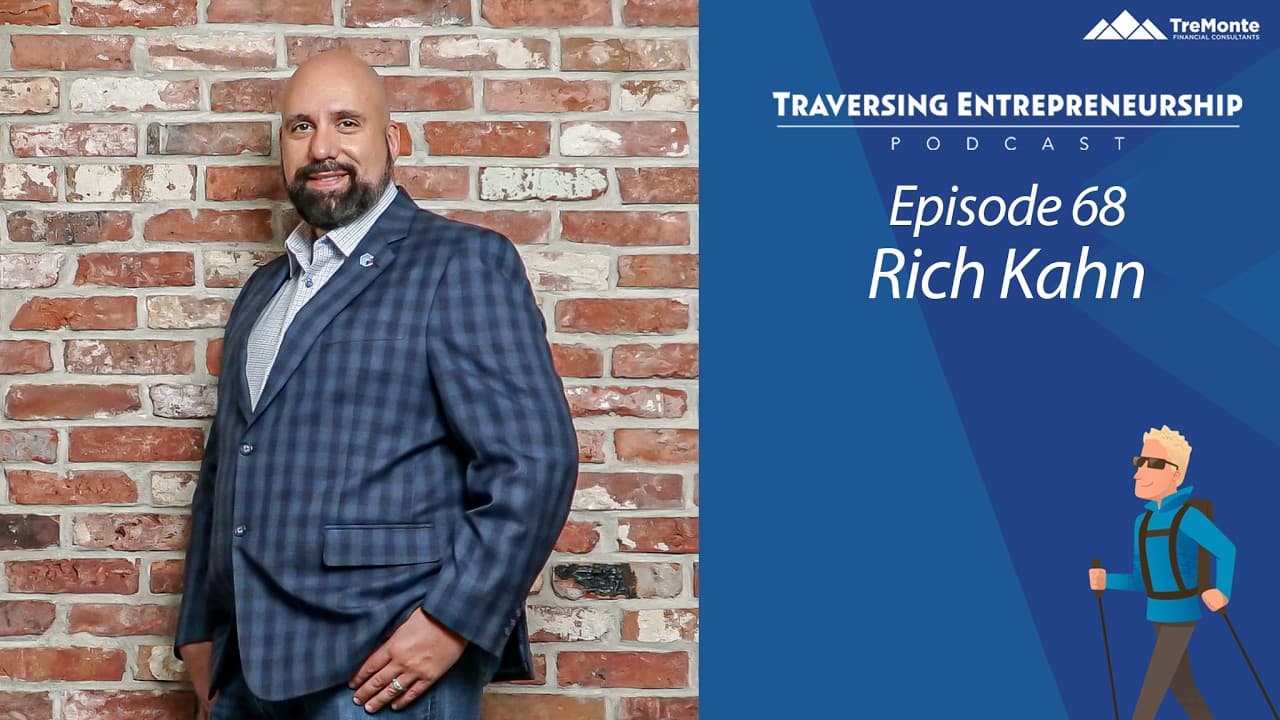
Anura.io CEO Rich Kahn discusses the substantial financial losses digital ad fraud causes, estimated at $160 billion annually, and how his SaaS platform identifies fake leads. The discussion highlights the platform's role in detecting ad fraud, including sophisticated AI-driven methods, which directly impacts streaming ad revenues and the need for robust fraud detection in CTV campaigns.
The $160 billion annual loss to ad fraud underscores a significant and persistent challenge for the streaming industry, directly affecting advertising ROI. As AI-powered ad fraud evolves, platforms relying on advertising revenue for growth must prioritize advanced detection mechanisms. Moving forward, the industry will need to track the development and adoption of AI-driven fraud detection technologies and their measurable impact on ad campaign effectiveness and profitability across streaming services.
The discussed $160 billion annual loss to ad fraud highlights a persistent issue within digital advertising, particularly relevant to the rapidly expanding Connected TV (CTV) market. Recent reports from Pixalate reinforce the scale of this problem. In Q2 2024, Pixalate estimated $1.14 billion in global open programmatic CTV ad spend was lost to invalid traffic (IVT), including ad fraud, representing an IVT rate of 19.4% (per Pixalate, September 2024). North America recorded the highest IVT rate at 19.5% during this period. For Q1 2024, Pixalate reported a global CTV IVT rate of 12%, with an estimated $528 million lost to fraud within open programmatic CTV ad spend (per GlobeNewswire, May 2024). Additionally, Pixalate’s Q1 2024 report on Server-Side Ad Insertion (SSAI) in CTV revealed that SSAI traffic had 140% higher IVT rates, including ad fraud, compared to non-SSAI traffic (per Pixalate, July 2024). This indicates that while SSAI improves user experience, it also presents increased fraud vulnerabilities. Top CTV ad fraud types in August 2024 included "App Spoofing" and "Proxy IVT" across platforms like Roku, Apple TV, Amazon Fire TV, and Samsung Smart TV applications (per Pixalate, October 2024). These findings collectively emphasize the ongoing need for advanced fraud detection and prevention measures to protect advertising investments in the streaming ecosystem.
Add StreamingMeme as a preferred source on Google to see more of our streaming news at the top of your Search results.
Add as preferred source