

AI platforms pivot to infrastructure as manual video editing bottlenecks persist
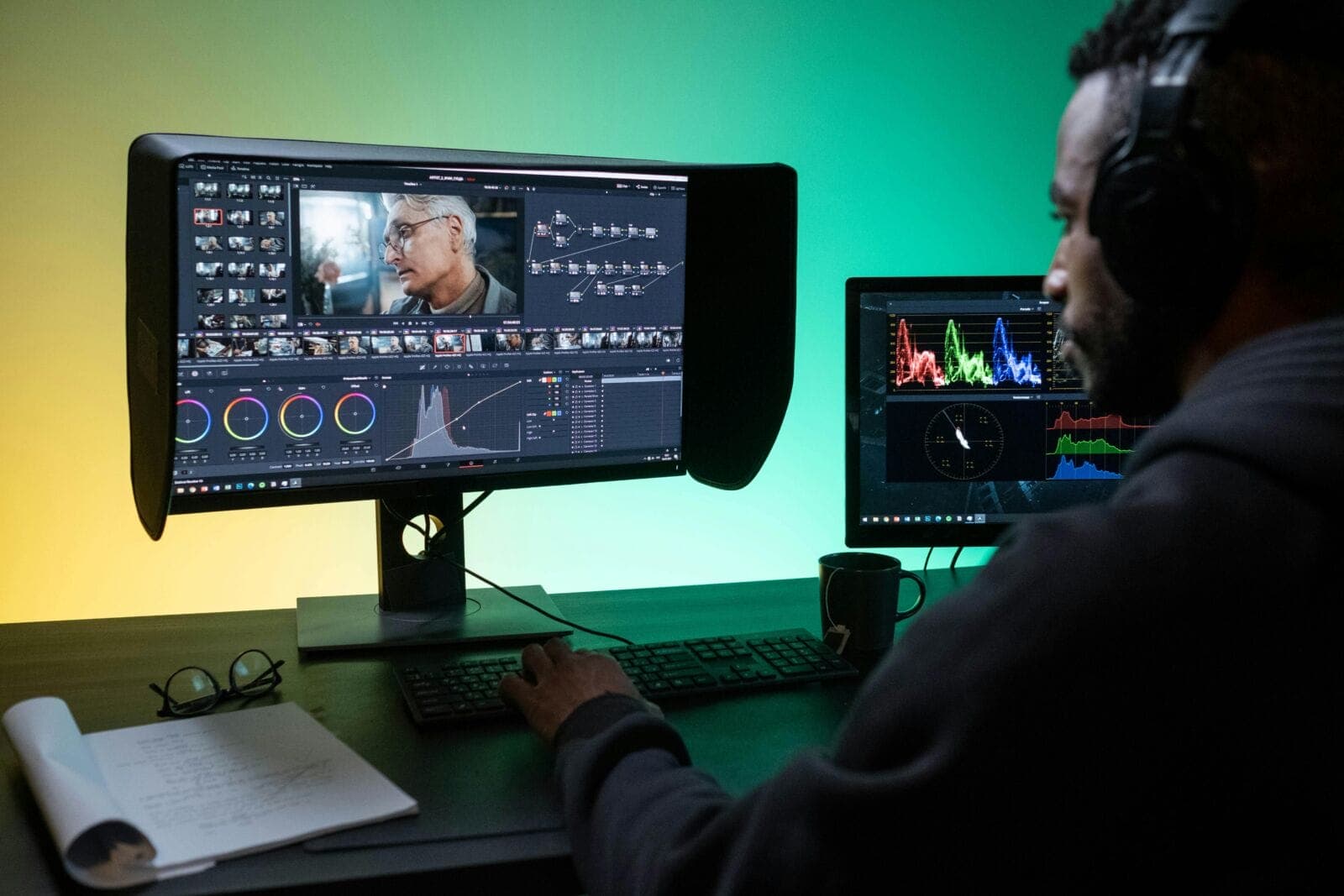
AI video creator platforms are rapidly replacing traditional editing processes, enabling scalable content generation and addressing bottlenecks in speed, cost, and scalability for digital content teams. The article highlights VidpexAI as a multi-layer AI video infrastructure for automated content generation, supporting various input formats and streamlining production workflows. While acknowledging current limitations like inconsistent output quality and weak branding control, the piece frames AI video tools as becoming core infrastructure for scalable content operations.
Key Takeaways
- VidpexAI supports direct conversion of Word documents, spreadsheets, and PowerPoints into automated video content pipelines.
- The Wan 2.6 generator increased maximum clip duration to 15 seconds with improved object permanence and lighting consistency.
- OpenAI's Sora 2 remains a benchmark for cinematic environmental understanding but faced industry criticism over weak branding control.
- AI automation has reduced the need for manual asset preparation, motion graphics, and audio synchronization in routine marketing campaigns.
- Runway remains the preferred platform for high-end cinematic production despite a steeper technical learning curve and higher scaling costs.
Why It Matters
The transition from 'clip generation' to 'automated infrastructure' reflects a market maturing beyond experimental novelty. For the B2B sector, the ability to ingest non-video assets like spreadsheets into a video pipeline removes the creative friction that historically capped content volume. While cinematic realism continues to improve, the immediate market win currently belongs to platforms that solve operational scalability and brand governance. Expect a consolidation of fragmented creative tools as marketing departments prioritize cost-per-minute efficiency over pure visual experimentation. Watch for whether current leaders can resolve branding inconsistencies that still plague automated long-form narratives.
Additional Context
The AI video landscape in mid-2026 is defined by a sharp shift from experimental toys to mainstream infrastructure. Per Grand View Research (January 2026), the global AI video generator market is projected to reach $946.4 million this year, driven by a 91% reduction in production costs—from an average of $4,500 per minute to approximately $400. This economic inversion has led 73% of Fortune 500 companies to integrate AI video tools into their standard content workflows, according to reports from Autofaceless.ai (March 2026).
While infrastructure platforms like VidpexAI gain traction, the industry recently faced a major shakeup with the decommissioning of a pioneer. Per Digen.ai and Wikipedia (April 2026), OpenAI began sunsetting the Sora app on April 26, 2026, with the API scheduled to shut down by September 24. This retreat was reportedly motivated by unsustainable compute costs—estimated at $15 million per day—and an inability to maintain revenue parity. The vacancy left by Sora has accelerated competition among models like ByteDance’s SeeDance 2.0 and Alibaba’s Wan 2.7, which focus on 'Thinking Mode' and precise frame control.
Enterprise adoption is now pivoting toward 'automated localization' and identity-locking features to solve the character drift issues common in early 2025. Per Alibaba Cloud’s DashScope updates (December 2025), the Wan 2.6 release specifically addressed these gaps by introducing multi-shot logic and native audio-visual synchronization. As of June 2026, the focus for SaaS teams has moved toward multi-modal inputs, where text-to-video accounts for 46.25% of the market share, according to Fortune Business Insights.
Read full article at azbigmedia.com
Enjoy our coverage?
Add StreamingMeme as a preferred source on Google to see more of our streaming news at the top of your Search results.
Add as preferred source