
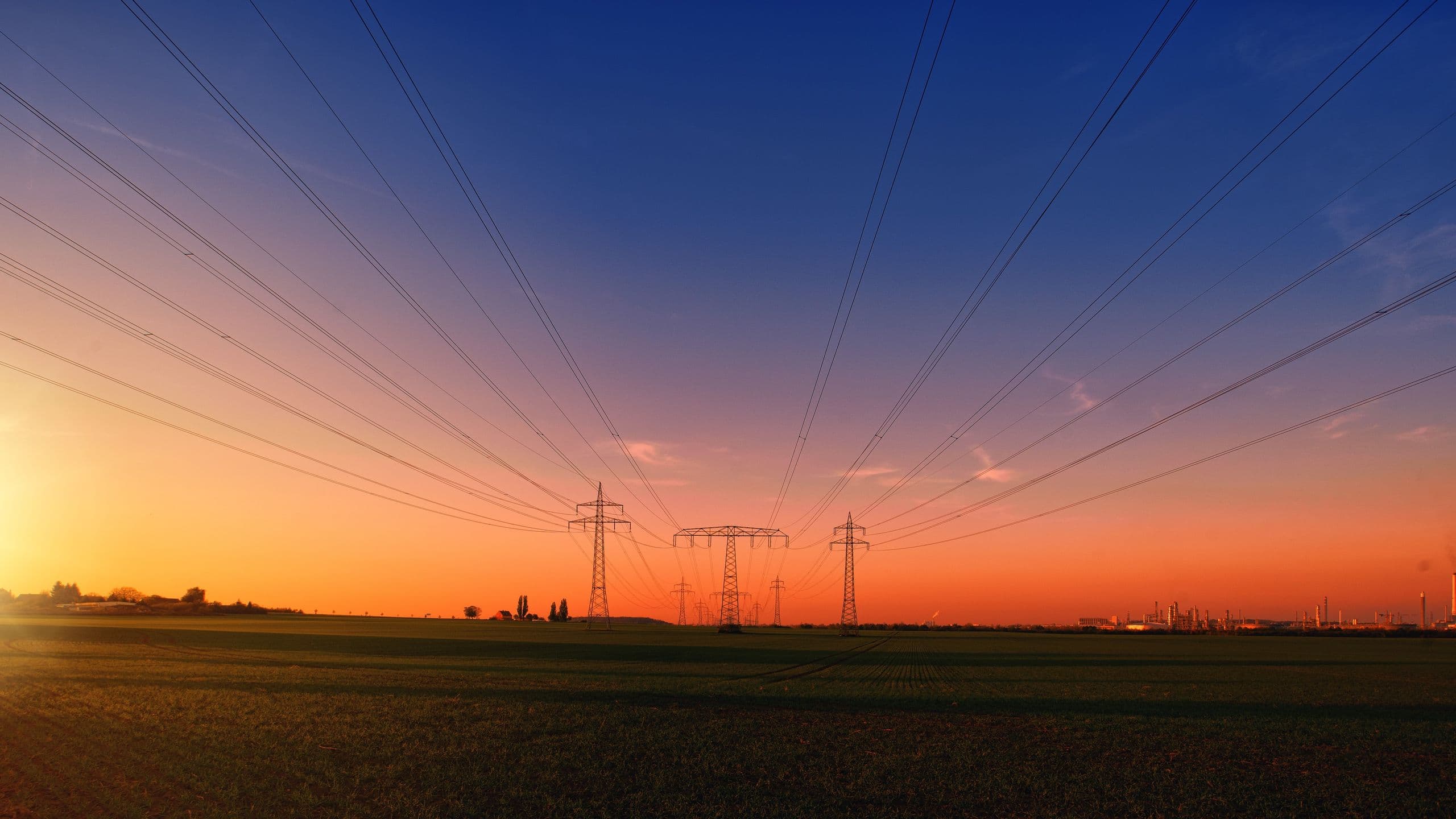
A McKinsey report highlights that grid capacity and electrical interconnection delays now pose a critical bottleneck for data center expansion, specifically for AI-driven workloads. To maintain operational reliability, the industry is increasingly adopting strategies like on-site microgrids, liquid cooling, and localized energy infrastructure.
The shift from compute scarcity to power delivery scarcity resets the competitive landscape for streaming infrastructure. While streaming platforms have historically optimized for bandwidth, the integration of generative AI into production and recommendation engines now requires massive facility-level power that regional grids cannot reliably provide. This creates a strategic advantage for hyperscalers who can bypass traditional utilities through direct energy investments. For the broader ecosystem, this infrastructure strain likely leads to higher colocation costs and a geographic migration of workloads to regions with newer, high-capacity electrical architectures. Watch for a rise in vertical integration where cloud providers acquire or build their own dedicated power generation assets to ensure uptime.
The grid crisis is becoming a global structural impediment, with more than 2,500 gigawatts of energy and data center projects currently stuck in interconnection queues worldwide, per Forbes in June 2026. This backlog is particularly acute in data center hubs like Dublin, where major multinational operators have faced a pause on new connections until 2028. Consequently, the median time to bring a new high-density facility to commercial operation is now approaching five years, forcing a tactical pivot among the tech industry's largest spenders. Microsoft, for instance, signed a 20-year agreement to purchase energy directly from the restarted Three Mile Island nuclear unit, specifically to decouple its AI growth from public grid instability, according to Reuters in May 2026.
Simultaneously, the intensity of AI compute is fundamentally altering data center design. Traditional server racks typically draw 5–15 kW, but newer AI-optimized racks require 30–110 kW, creating localized heat and power surges that legacy systems cannot handle. Gartner reported in June 2026 that global data center electricity consumption is projected to hit 565 TWh this year, a 26% year-over-year increase driven primarily by these high-density accelerators. As a result, the market for localized energy infrastructure is exploding; Bloom Energy and Brookfield Asset Management expanded their partnership in July 2026 to $25 billion to deploy on-site fuel cell systems. This financial concentration suggests that the capacity to deliver "firm power" at a specific site, rather than hardware alone, is now the defining economic factor in the AI race.
Add StreamingMeme as a preferred source on Google to see more of our streaming news at the top of your Search results.
Add as preferred source