
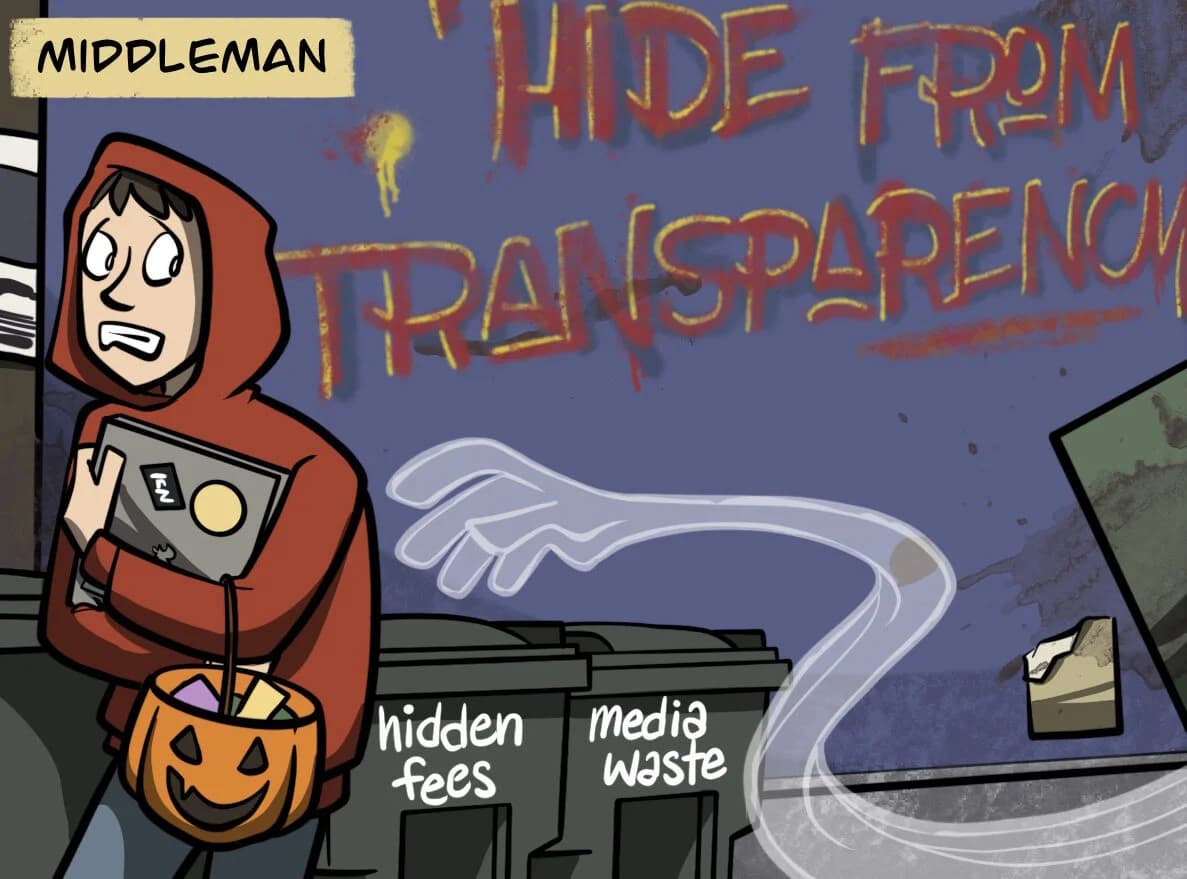
An unnamed programmatic advertising platform terminated a signed agreement with the watchdog group Check My Ads after raising concerns about the potential for outside audit-like research into its supply chain. The incident underscores a conflict between the ad tech industry's stated commitment to transparency and the reluctance of platforms to allow independent parties to scrutinize their supply partner protections.
This friction indicates that 'transparency' in the programmatic stack remains a curated promise rather than an open standard. By blocking the first formal attempt by a watchdog to hold a DSP seat, platforms are drawing a line between advertiser reporting and independent verification. For the ecosystem, this suggests that buy-side platforms still view supply chain investigations as an existential threat to partner relations rather than a market-clearing benefit. Watch for whether advertisers begin demanding 'standardized auditor seats' in future MSAs to bypass these platform-level gatekeepers.
The resistance to independent watchdog access arrives as the programmatic industry struggles to reconcile multi-billion dollar waste with public-facing transparency tools. Per the Association of National Advertisers (ANA), May 2026, the gap between high- and low-performing advertisers has reached a record 21.9 percentage points, with the average advertiser losing nearly two-thirds of their budget before it reaches a consumer. While the ANA has democratized its own data via an interactive benchmark platform, the industry remains defensive against investigative audits like those conducted by Adalytics, which identified top-tier DSPs transacting on 'Made-for-Advertising' (MFA) sites as recently as March 2024.
Regulators are also tightening the screws on ad tech data flows. Per Baker Donelson, June 2025, the U.S. Department of Justice has prioritized enforcement of new bulk data access rules that classify mobile advertising IDs and IP addresses as 'sensitive personal data.' This regulatory shift is forcing legal and supply teams to be more cautious about third-party platform access, even as trade bodies like the IAB Tech Lab move to standardize transparency signals. As noted by MediaPost, April 2026, the newly formed Programmatic Governance Council aims to address auction transparency over the next 12 months, though the exclusion of major advertiser groups from initial council seats has raised questions about whether these solutions will favor platforms over buyers.
Add StreamingMeme as a preferred source on Google to see more of our streaming news at the top of your Search results.
Add as preferred source