

World Cup afternoon ratings spark shift toward earlier U.S. game windows
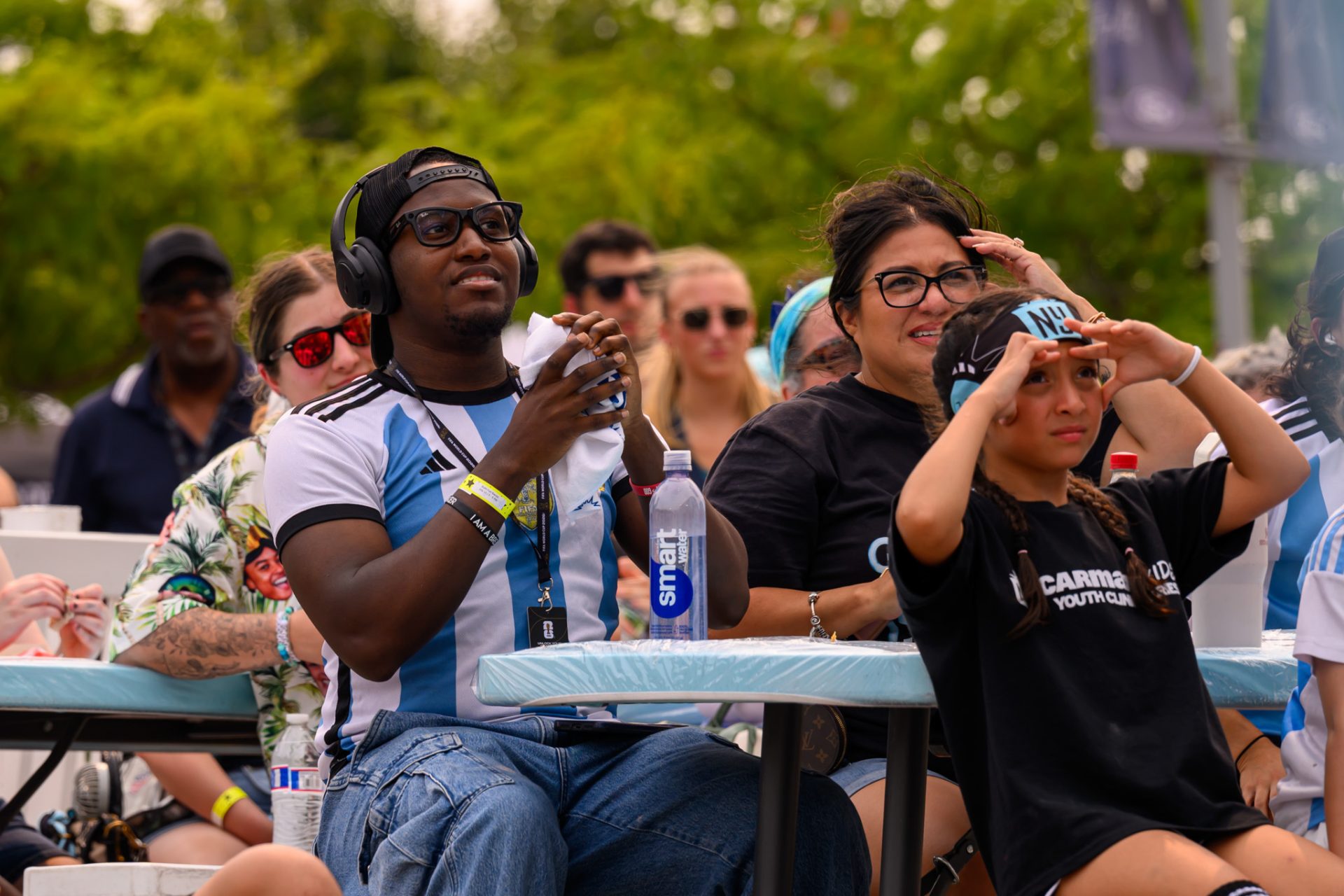
Recent high viewership for daytime World Cup matches is encouraging U.S. sports leagues to shift toward earlier broadcast windows. This trend is bolstered by Nielsen's enhanced out-of-home measurement capabilities, which allow leagues and broadcasters to better monetize viewership in non-traditional settings.
Key Takeaways
- Spain’s World Cup final victory averaged 66.4 million U.S. viewers, the largest non-NFL audience since the 1994 Olympics.
- Out-of-home viewership accounted for 35% of the total final audience, verified by Nielsen's expanded national tabulation.
- The NHL's 2026–27 schedule introduces a series of Monday matinee games starting at 1 p.m. ET to target European primetime.
- NFL Sunday afternoon slots have surpassed Sunday Night Football as the league’s most-watched weekly game window.
Why It Matters
The World Cup's ratings success essentially de-risks afternoon scheduling for U.S. rightsholders and streamers. By dismantling the myth that high-stakes sports require primetime slots, leagues can now optimize schedules for global reach without sacrificing domestic commercial value. For streamers, the ability to accurately monetize daytime 'watch party' and workplace viewing via enhanced out-of-home metrics provides a critical hedge against primetime inventory saturation. This methodology shift suggests that 'available screen time' is the new industry benchmark, rather than traditional clock-based windows. Watch for whether the NBA's next media rights cycle includes dedicated weekday afternoon exclusives to compete for these shifting audience blocks.
Additional Context
The strategic pivot toward daytime and global windows is already yielding record results across the major U.S. leagues. Per Front Office Sports and NFL data from May 2026, the league’s 2025 international slate on NFL Network averaged a record 6.2 million viewers for games starting at 9:30 a.m. ET, a 32% year-over-year increase. This growth is driving current negotiations to air up to nine international games in 2026, creating a separate rights package potentially worth $1 billion annually. Concurrently, Major League Baseball has seen its own daytime success; the 2025 postseason was the most-watched since 2017, per Nielsen, benefiting from expanded wild-card matinees and high-engagement rule changes that reduced average game times. Technological shifts in measurement are the primary engine for this monetization. Per Nielsen reports from July 2026, the firm is currently rolling out an 'expanded co-viewing' methodology that uses wearable devices to track group attendance in real-time. This system, which Nielsen piloted during Super Bowl LX and the 2026 Winter Olympics, added an average of 4.19% to total viewership figures for marquee events. This move follows the September 2025 launch of Nielsen’s 'Big Data + Panel' methodology, which integrates smart TV and set-top box data to capture fragmented streaming audiences. Broadcasters are increasingly using these metrics to justify premium ad rates for non-primetime slots. In the NHL's 2026–27 schedule, the new Monday matinee window is explicitly designed to capitalize on 'European primetime' while offering unique North American fan activations, per league announcements in July 2026. This trend aligns with broader streaming data from Roku (March 2026), which found that streaming services now account for 43% of weekly sports viewing, as remote and flexible work patterns allow fans to maintain engagement during traditional business hours.
Read full article at frontofficesports.com
Get this in your inbox → Subscribe
Enjoy our coverage?
Add StreamingMeme as a preferred source on Google to see more of our streaming news at the top of your Search results.
Add as preferred source