

Brands must re-describe catalogs for AI agents to maintain discoverability
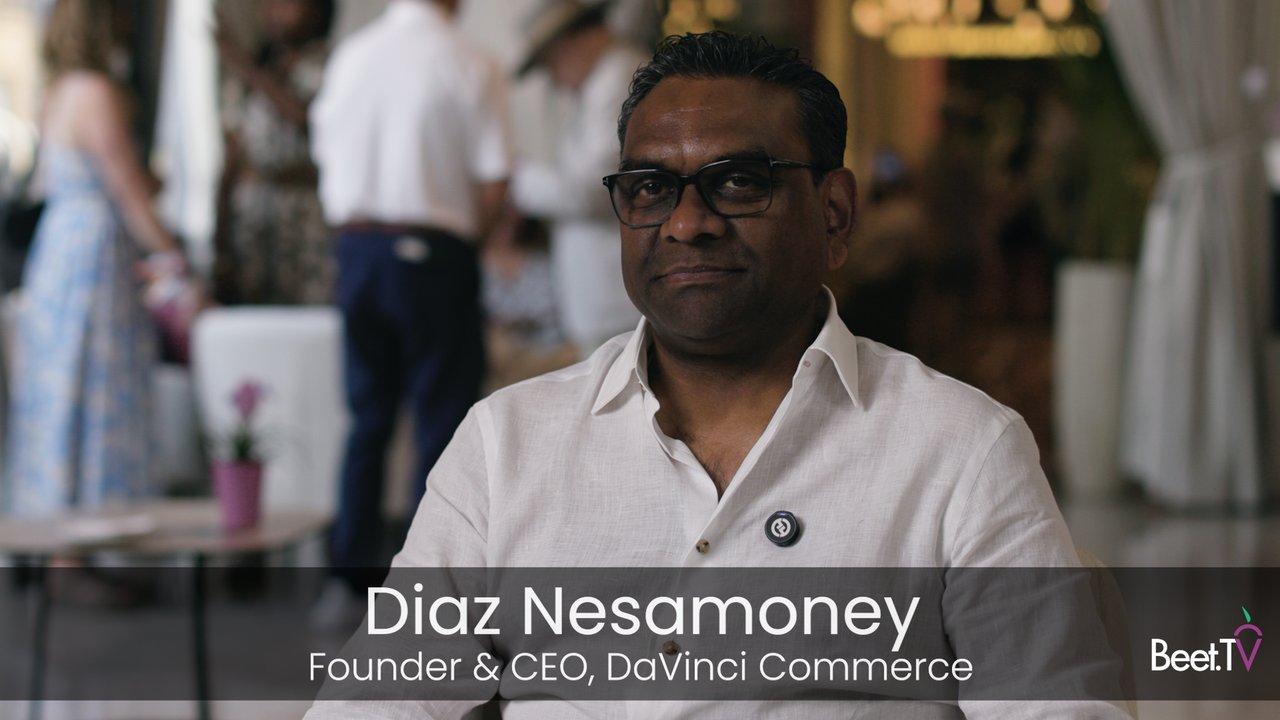
DaVinci Commerce CEO Diaz Nesamoney highlights the technical challenge brands face in ensuring product discoverability within LLM-based shopping systems. He urges brands to restructure product data to be machine-interpretable for AI agents, as these models lack visual perception and rely on detailed descriptive metadata.
Key Takeaways
- More than 500 agentic storefronts are currently active on ChatGPT, with more emerging across rival LLM environments.
- First-mover brands gain structural advantages as LLMs learn and remember specific patterns of consumer-agent engagement over time.
- Complex, high-consideration product categories like cameras and clothing face the highest stakes for data-driven discovery.
- Standardized product descriptions often fail to match natural consumer queries, requiring a move from keyword-heavy to intent-based metadata.
Why It Matters
The shift toward agentic commerce moves product discovery from visual search grids to conversational narrowcasting. For the streaming and video advertising stack, this suggests a future where shoppable ad units must be backed by deep metadata rather than just a simple SKU link to remain interpretable by the AI assistants mediating the viewer journey. As commerce moves inside LLM interfaces, the primary competitive hurdle shifts from buying human attention to securing machine recommendation through data hygiene. Watch for the emergence of standardized machine-readable catalog protocols that bridge the gap between B2B video inventory and autonomous shopping agents.
Additional Context
The push for machine-interpretable data coincides with massive structural shifts in retail distribution. In March 2026, Shopify auto-activated its Agentic Storefronts feature for over 5.6 million merchants, syndicating their global catalogs directly into ChatGPT, Google AI Mode, and Microsoft Copilot. Per Digital Applied (March 2026), these AI-attributed orders have surged 11-fold globally since early 2025. This scale forces a transition from traditional SEO to AI optimization, where data integrity—such as the Stibo Systems-led focus on structured attributes over emotional copy—determines if a product is even visible to an agent. Simultaneously, the platform layer is consolidating around integrated assistants. In May 2026, Amazon retired its standalone Rufus chatbot and merged its capabilities into Alexa for Shopping. This new agentic system, per Amazon's own announcements, now resides directly in the main search bar for all signed-in U.S. customers. While legacy search systems relied on keyword matching, these agents analyze full product detail pages, customer reviews, and community Q&As to verify brand claims. According to velocitysellers reporting in April 2026, mobile queries mediated by these shopping agents are already 2.4 times longer than traditional search strings. The economic impact of this transition is already surfacing in earnings. Grand View Research (June 2026) projects the global agentic commerce market will reach $7.7 billion this year, growing at a 35.7% CAGR through 2033. High-profile early adopters like Klarna have demonstrated the scale potential; per CX Network (June 2026), Klarna's AI assistant handled 2.3 million conversations in its first month and achieved a 40% reduction in cost-per-transaction by Q1 2025. As these systems move from simple customer service to full purchase orchestration, the priority for brands is evolving from 'buying clicks' to 'training models' via their internal product data.
Read full article at beet.tv
Get this in your inbox → Subscribe
Enjoy our coverage?
Add StreamingMeme as a preferred source on Google to see more of our streaming news at the top of your Search results.
Add as preferred source