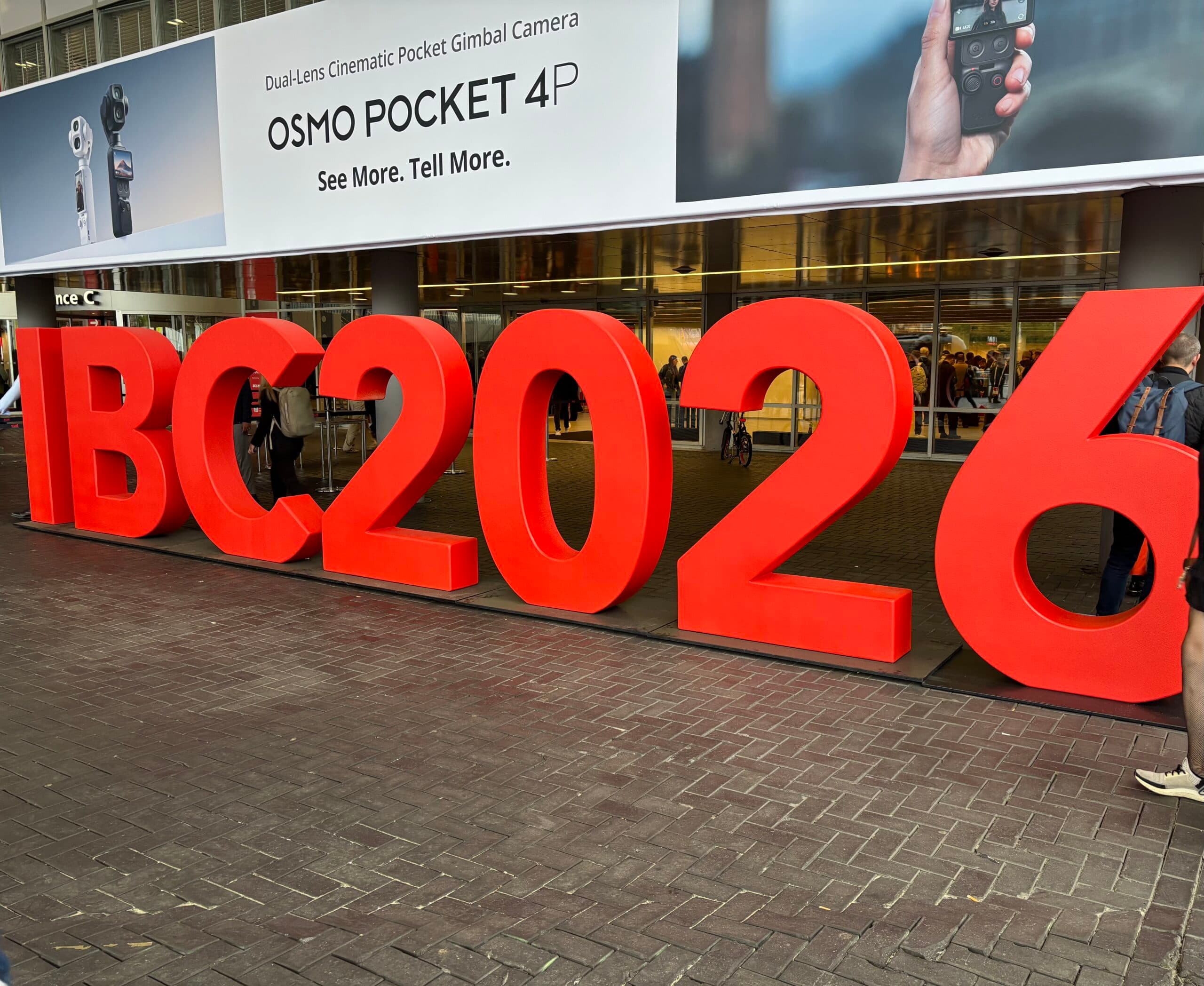
Vendors at IBC2026 reported rapid industry adoption of the Media eXchange Layer (MXL) and Dynamic Media Facility (DMF) standards. The event also highlighted the integration of the Model Context Protocol (MCP) to facilitate communication between AI agents and media systems without traditional API development.
The rapid implementation of MXL and DMF suggests the industry is moving toward a more interoperable, software-defined infrastructure that reduces vendor lock-in. By adopting the Model Context Protocol, media companies can bypass the resource-heavy process of building custom APIs for every AI application, streamlining how automated agents manage content workflows. This shift connects the streaming ecosystem more directly to broader IT standards, potentially lowering the barrier for AI-driven automation in live and file-based environments. Watch for the October issue of TVBEurope to provide deeper technical benchmarks on these protocol deployments.
As the industry shifts toward these new standards, regulators are increasingly focused on the EU AI copyright framework to ensure that automated systems respect intellectual property rights during the training and deployment phases. Meanwhile, the EU AI Act enforcement is already beginning to impact how companies approach pre-market safety checks for new media technologies.
At IBC2026, vendors significantly increased integration of the Media eXchange Layer and Dynamic Media Facility. This shift toward standardized, software-defined infrastructure reduces vendor lock-in and simplifies AI integration via the Model Context Protocol. These advancements streamline content workflows, allowing media companies to bypass custom API development for automated agent management.
MXL (Media eXchange Layer) and DMF (Dynamic Media Facility) are media standards that saw a significant increase in vendor integrations at IBC2026, helping move the industry toward more interoperable, software-defined infrastructure.
The Model Context Protocol allows AI agents to interact with media systems without the need for resource-heavy custom API development, streamlining automated content workflows.
Media over QUIC (MoQ) remains a central focus for low-latency delivery following its initial industry buzz at IBC2025.
Adopting these standards helps reduce vendor lock-in and connects the streaming ecosystem more directly to broader IT standards, lowering the barrier for AI-driven automation in live and file-based environments.
Add StreamingMeme as a preferred source on Google to see more of our streaming news at the top of your Search results.
Add as preferred source
