

HandBrake update delivers 215% transcoding speed boost for Threadripper owners
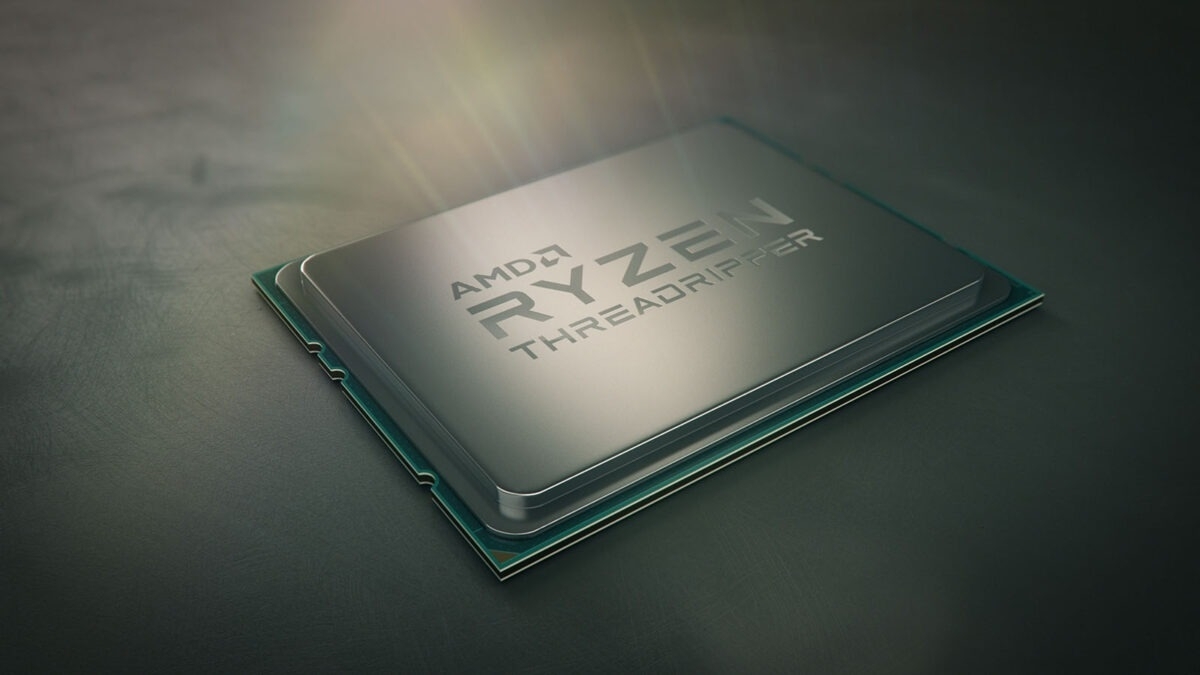
The HandBrake 1.11.0 update resolves critical threading bottlenecks on high-core-count CPUs, such as AMD Threadripper and Intel Xeon processors, delivering transcoding speed boosts of up to 215%. The optimization fixes scheduling overhead and idle resource issues on systems with more than 64 logical threads, particularly accelerating lower-resolution transcodes.
Key Takeaways
- Transcoding speeds jumped by up to 215% on AMD Ryzen Threadripper 7980X 64-core systems.
- AMD Threadripper PRO 9995WX 96-core processors achieved a performance uplift of up to 181%.
- Fixes address legacy code that previously left compute resources idle on systems exceeding 64 threads.
- Improvements particularly benefit lower-resolution 720p transcodes by reducing job-scheduling coordination overhead.
Why It Matters
This optimization represents a massive retroactive value add for the high-end desktop (HEDT) production market. For years, hardware gains in high-core-count silicon were partially negated by software that could not effectively utilize more than 64 threads, sometimes leading to a 60% performance penalty. By modernizing thread management, HandBrake enables significant throughput gains for mezzanine-to-proxy workflows and lower-resolution distribution without requiring hardware upgrades. This move sets a benchmark for other open-source and proprietary encoding tools to address the 'diminishing returns' core-count wall by optimizing job distribution. Progress here will likely fuel the continued adoption of high-density workstations as engineers look to maximize parallel processing in AV1 and HEVC pipelines. Watch for similar scheduling updates in FFmpeg-based tools throughout 2026.
Additional Context
The HandBrake 1.11.0 update arrived amidst a fierce market share battle in the workstation segment. As of May 2026, AMD’s total x86 CPU revenue share reached a record 46.2%, though Intel maintains a dominant 70.4% share of the broader consumer PC market, according to Mercury Research reporting in June 2026. This performance fix is particularly timely as AMD prepares its next-generation 'Mustang Peak' TR6 platform based on Zen 6 architecture, which is expected to utilize TSMC's 2nm node and introduce PCIe 6.0 support to further scale professional video production throughput. Related technical shifts in the industry highlight the growing necessity of these optimizations. In the first half of 2026, many production houses have moved toward AV1 as a cornerstone for master file archiving and multi-platform distribution. Per Seeking Alpha in June 2026, the rise of agentic AI and complex orchestration tasks has nearly doubled the market forecast for server and HEDT CPUs, with a projected 35% CAGR through 2030. These high-core-count processors, such as the Threadripper PRO 9995WX, are increasingly tasked with simultaneous video encoding and AI-driven metadata generation, making software-level threading efficiency a critical bottleneck for post-production scalability. Furthermore, the competitive landscape has been reshaped by hardware reliability concerns. Throughout 2025 and early 2026, many media engineers favored AMD due to reported voltage-related stability issues on competing Intel 13th and 14th Gen Core series chips, per community tracking and BIOS update reports from June 2026. This shift in developer focus toward high-core-count optimization ensures that enterprise-grade hardware can finally deliver its theoretical maximum performance in standard industry toolsets like HandBrake.
Read full article at tweaktown.com