

ATSC folds 5G Broadcast interleaving into April standards suite
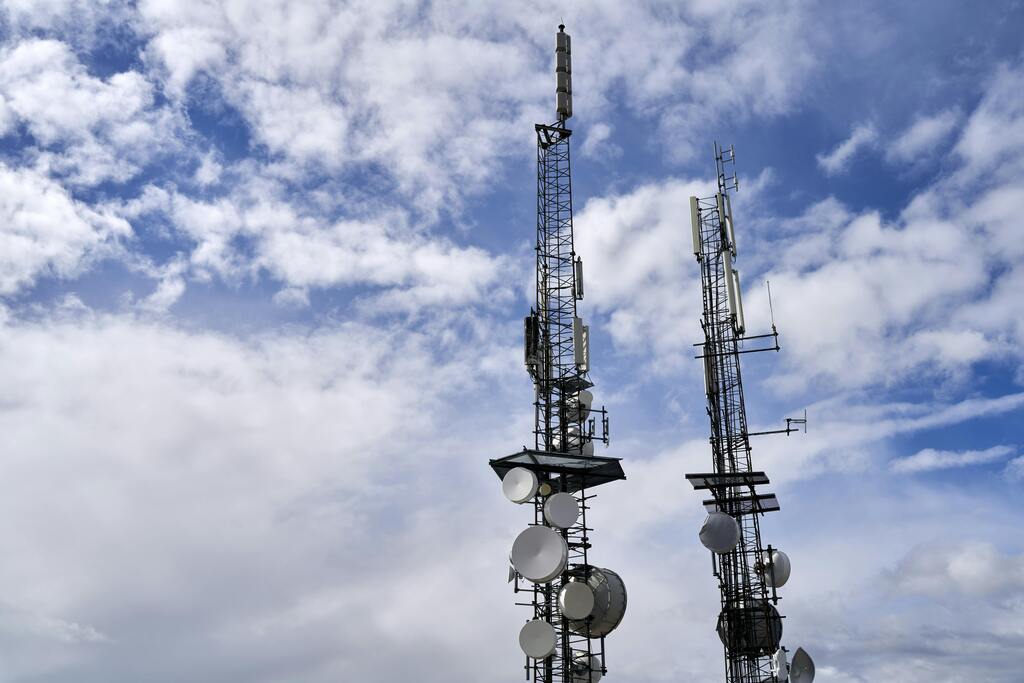
The Advanced Television Systems Committee (ATSC) has published its April 2026 standards suite (A/300:2026-04), which formally incorporates technical guidelines for time-domain interleaving of ATSC 3.0 and 5G Broadcast signals in a shared channel. Coinciding with the update, Castanet Corporation announced the launch of two commercial-ready pilot networks using this hybrid architecture on Low Power Television (LPTV) spectrum in Silicon Valley and Las Vegas. The deployments were demonstrated at NAB Show 2026, with Castanet stating it is operating under the FCC's existing Broadcast Internet service rules.
Key Takeaways
- A/300:2026-04, published April 14, now references A/321:2026-04, A/322:2026-04, and A/327:2026-04 as the current ATSC 3.0 baseline.
- A/327:2026-04 rolls Amendment No. 1 into a single document, including the time-domain sharing profiles for ATSC 3.0 and 5G Broadcast coexistence.
- Castanet launched two commercial-ready pilots on LPTV spectrum: one in Silicon Valley with Major Market Broadcasting and one in Las Vegas with spectrum holders in that market.
- Castanet says the pilots use ATSC 3.0 as the transport layer for 5G Broadcast and rely on the ATSC 3.0 "minimum time to next" mechanism to insert 5G Broadcast frames.
- ATSC reported about 30 informational sessions and panels on ATSC 3.0 at NAB Show 2026, including a proof-of-concept TDM coexistence demo from a single transmitter.
Why It Matters
The immediate shift is that the interleaving approach now has a consolidated ATSC standards path, not just an amendment layered onto older documents. That matters because implementers and equipment makers can now build against A/300:2026-04, A/321:2026-04, A/322:2026-04, and A/327:2026-04 as a matched set. The broader ecosystem angle is that Castanet has already moved from standards work into two LPTV pilots, while HC2’s pending FCC petition and the NAB’s ATSC 1.0 sunset proposal still define the regulatory ceiling. Watch the FCC’s ruling on HC2’s petition and any independent performance data from the Las Vegas and Silicon Valley deployments.
Read full article at k2groupusa.com
Get this in your inbox → Subscribe
Enjoy our coverage?
Add StreamingMeme as a preferred source on Google to see more of our streaming news at the top of your Search results.
Add as preferred source