

ABP Network warns TRAI of digital gatekeepers and Smart TV control
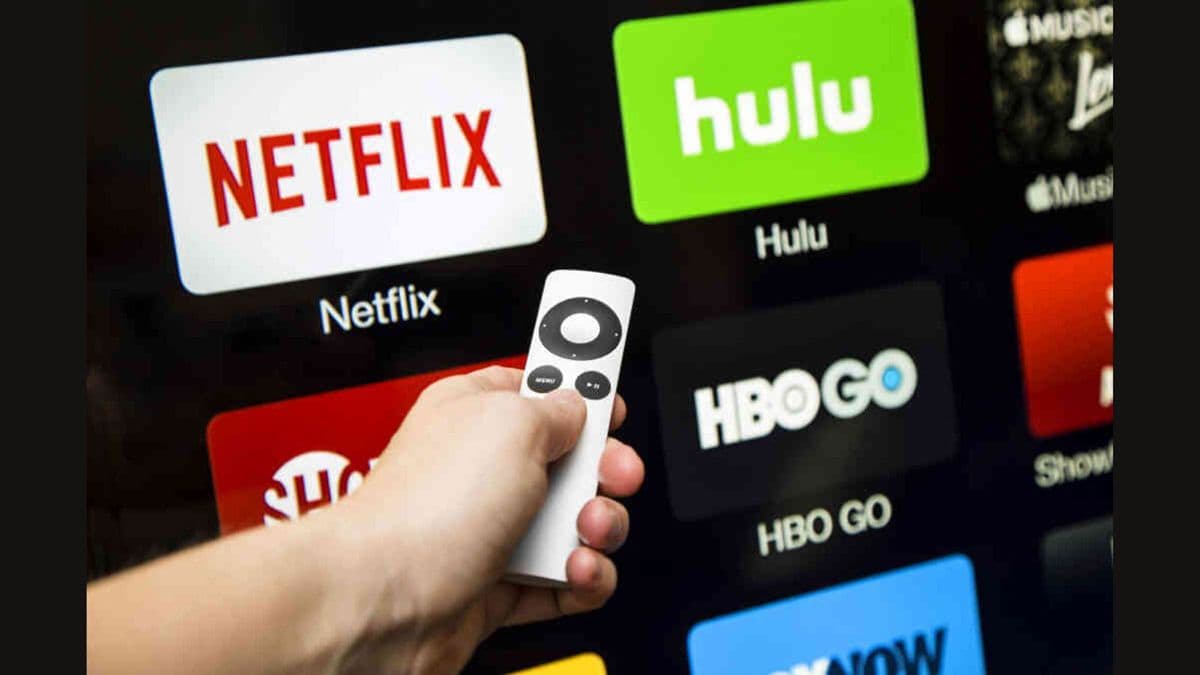
ABP Network has urged the Telecom Regulatory Authority of India (TRAI) to regulate Smart TV makers, operating systems, and ad-tech platforms, viewing them as potential gatekeepers in the Free Ad-supported Streaming TV (FAST) ecosystem. The network argues against over-regulation based on legacy rules but emphasizes the need for safeguards to ensure open and competitive distribution, discoverability, and advertising integrity in connected TV. This intervention is part of broader industry debates on the regulation of FAST and app-based linear television distribution.
Key Takeaways
- ABP Network identified discoverability, advertising infrastructure, and audience data as the three primary control points held by digital gatekeepers.
- Advocate Raj Kumar Varier cautioned against transplanting legacy cable regulations into the internet-based environment while emphasizing that under-regulation poses significant competitive risks.
- The broadcaster called for 'discoverability neutrality' to prevent platforms from using algorithms to favor their own apps or FAST channels.
- ABP proposed that any platform-level ad insertion must be auditable and backed by transparent, impression-level reporting to protect broadcaster revenue.
Why It Matters
The intervention highlights a shift in regulatory focus from bandwidth scarcity to gatekeeper power. If TRAI adopts ABP’s recommendations, Smart TV manufacturers like LG and Samsung may face new 'ex-ante' obligations similar to the EU’s Digital Markets Act. This moves the industry beyond the broadcaster-versus-distributor debate, placing the technical infrastructure of the living room at the center of streaming policy. For the ecosystem, this ensures that the transition to FAST doesn't merely trade old cable monopolies for new device-level bottlenecks. Watch for TRAI’s final recommendations on Application-based Linear Television Distribution (ALTD) to see if they mandate open access to audience data.
Additional Context
The debate over FAST regulation has intensified as India’s connected TV market expands. Per exchange4media in May 2026, industry estimates suggest households with connected TVs will double from 20 million to 40 million by 2028, with FAST advertising revenues projected to reach $600 million in the same period. This growth has created a friction point between device manufacturers and content owners. On June 2, 2026, convergence-now reported that Smart TV makers formally requested TRAI to exclude them from the ALTD framework, arguing that hardware providers do not exercise editorial or distribution control over third-party apps.
TRAI’s current consultation, which began with a paper issued on April 6, 2026, aims to close perceived gaps between traditional distribution and digital streaming. According to adgully, the regulator is specifically investigating price parity to address concerns from cable operators that pay-TV channels are being offered for free on FAST platforms. This follows a December 2025 reference from the Ministry of Information and Broadcasting (MIB) regarding the need for a unified national rating system that integrates digital linear viewership.
Broadcasters remain divided on the jurisdictional reach of these rules. While ABP and Times Network support gatekeeper oversight, other major players like Network18 and TV Today Network have opposed telecom-style regulation. Per BestMediaInfo in May 2026, TV Today argued that FAST services are internet-based OTT applications and should remain under the Information Technology (IT) Rules, 2021, rather than falling under the Telecommunications Act.
Read full article at bestmediainfo.com
Enjoy our coverage?
Add StreamingMeme as a preferred source on Google to see more of our streaming news at the top of your Search results.
Add as preferred source